Sending a parcel from Nepal to South Korea
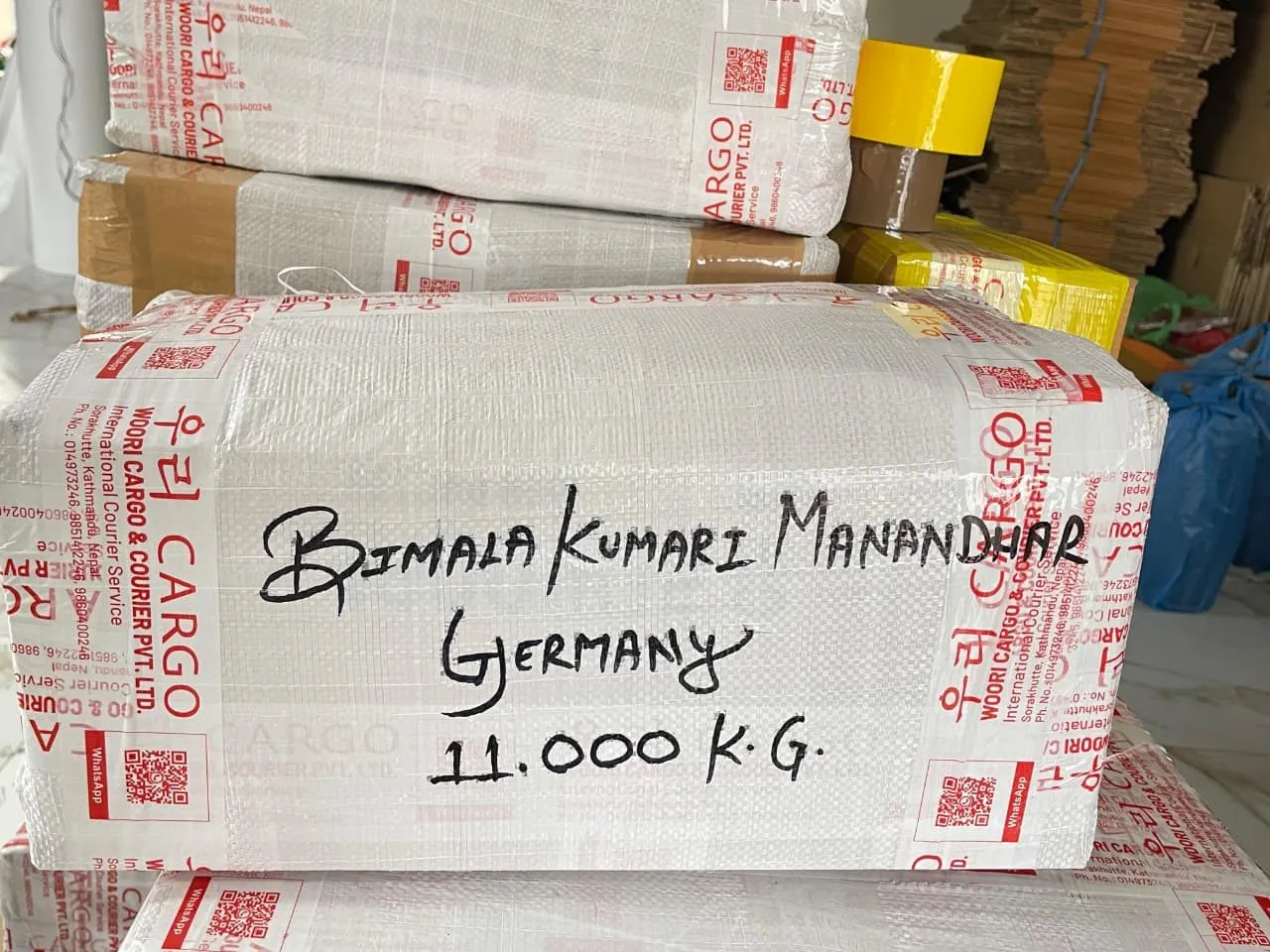
South Korea is our main route. Families, workers and students in Korea receive clothes, home-made and packaged food, medicine, documents and gifts from Nepal through our office in Balaju, Kathmandu. We check what you want to send, pack it in strong boxes, prepare the export papers and send it by air. After Korean customs clearance, Korea Post delivers the parcel to the receiver’s address.
Every box gets its own tracking number, so you and the receiver can follow it from Kathmandu to the door.
How it works, step by step
- Message us. Tell us on WhatsApp or by phone what you want to send and the rough weight. Send a photo if you are not sure about an item.
- Bring your items to Balaju. Bring them unpacked if you can, so we can check them and pack them for customs inspection.
- We pack and weigh. You get the final price and a tracking number for each box.
- Export papers and flight. We prepare the documents in Nepal and the parcel leaves Kathmandu with the next dispatch to Korea.
- Korean customs. The parcel is cleared by Korean customs. This is where the receiver’s details matter most (see below).
- Korea Post delivery. Korea Post sorts the parcel and delivers it to the receiver’s address.
What you can send to Korea
These are usually accepted:
- Clothes, shoes, bags and household goods
- Dry food and sealed snacks in their original packing, spices and pickles (double-bagged)
- Prescribed medicine with a copy of the prescription, in reasonable personal quantities
- Documents, certificates, books, handicrafts and gifts
Ghee, oil and other liquids must be sealed and packed well; ask us first. Where an extra charge applies, it is shown in the box on this page.
Not accepted for Korea: meat, fresh fruit and vegetables, seeds and plants, loose batteries and power banks, anything flammable or hazardous (gas, lighters, matches, paint, large amounts of perfume), cash, gold, silver and jewellery, counterfeit branded goods, weapons and replicas, and anything illegal in Nepal or Korea.
What Korean customs needs from the receiver
Please bring these details when you send a parcel:
- The receiver’s full name, as on their ID
- The full address in Korea, in Korean if possible, and a Korean phone number
- The receiver’s ARC (alien registration) number or passport number
- Their Personal Customs Clearance Code (PCCC), if they have one
A missing or wrong ID number is the most common reason a parcel waits at Korean customs. If an ID is missing, we will ask you for it on WhatsApp.
Customs duty in Korea
Our price covers packing, documents and shipping to the receiver. If Korean customs charges import duty or tax on a parcel, the receiver pays it in Korea. We tell you in advance when duty is likely, for example for heavier parcels.
Tracking a parcel in Korea
Enter the tracking number from your receipt on our tracking page. Once the parcel reaches Korea you see each Korea Post scan translated into English: arrival, customs clearance, transit to the delivery post office, out for delivery and delivered. On delivery day the page also shows the postman’s name and phone number when Korea Post shares them. You can copy the tracking link and send it to the receiver.
How long does it take?
The usual transit time is shown at the top of this page and counts from the day the parcel leaves Kathmandu. Public holidays in Nepal or Korea, flight space and extra customs checks can add a few days. Ask us for the date of the next dispatch.
Frequently asked questions
Can I send home-made food to Korea?
Dry, well-sealed food such as spices, snacks and pickles is usually fine. Meat cannot be sent to Korea. Pack anything that could leak in two bags, or bring it to us and we will pack it.
Can I send medicine to Korea?
Yes, prescribed medicine in personal quantities, with a copy of the prescription. Choose “Medicine” in the calculator for the price.
Who pays customs duty?
The receiver pays any import duty or tax that Korean customs charges.
Can the receiver track the parcel?
Yes. Share the tracking link from our tracking page. It works on any phone, and the Korea Post scans are shown in English.